

1. Working principle
It needs to be connected in series in the circuit of the current to be measured, and let the current flow through itself to achieve measurement. Because of its extremely low internal resistance, the connection has little effect on the original circuit current, ensuring the accuracy of measurement.
Type
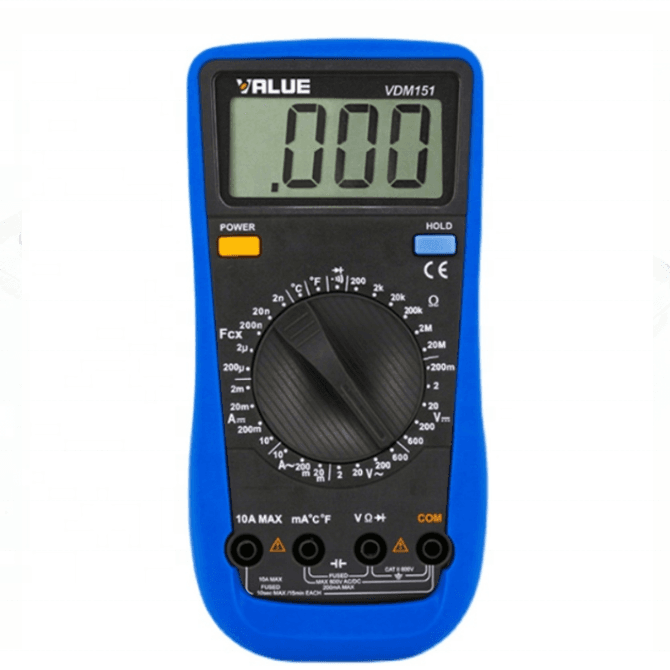
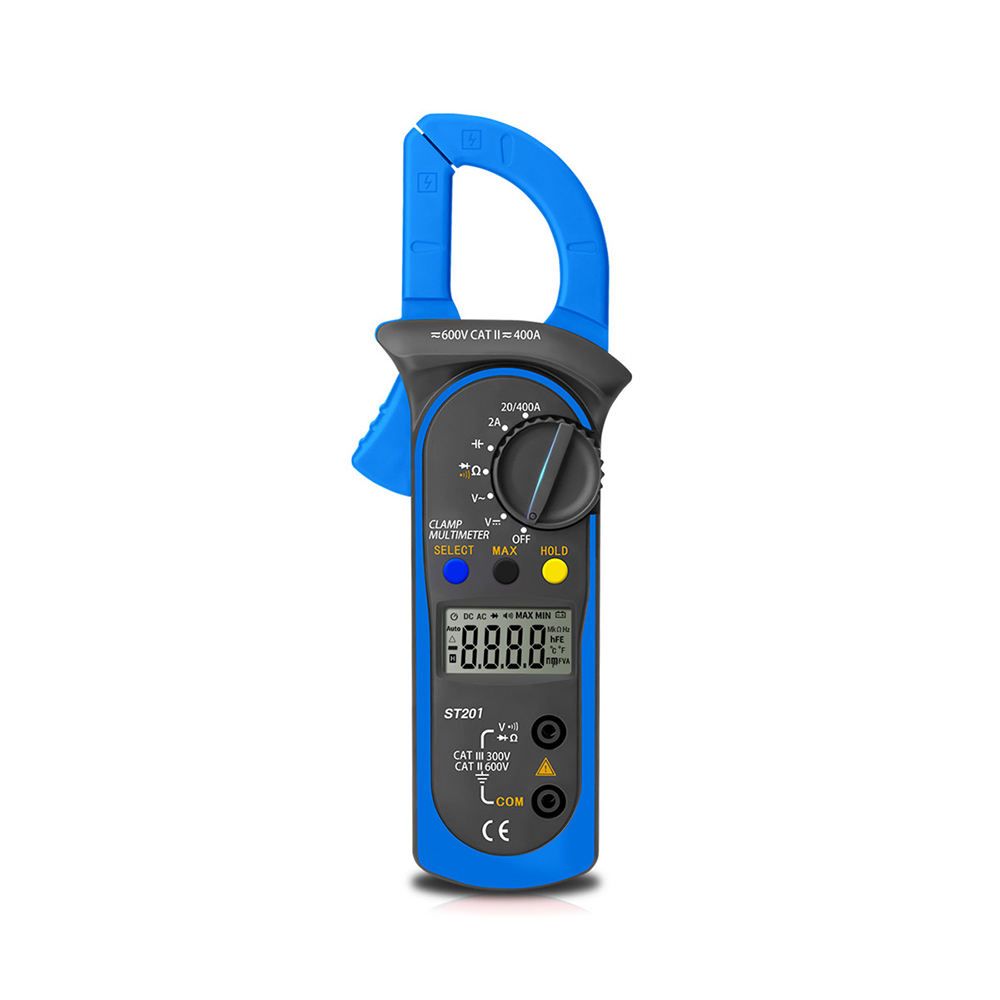
2. Digital ammeter: Use electronic circuits to convert current analog signals into digital signals, and after processing by analog-to-digital converters (ADCs), the current value is intuitively displayed on the digital display. It has high measurement accuracy, convenient reading, rich functions, and some can also store data and communicate with computers. It is widely used in electronic equipment detection, industrial automation control and other fields.
3. Application field
Power system: used in power production, transmission, and distribution links, monitoring the current of equipment such as generators, transformers, and transmission lines, ensuring the safe and stable operation of the power grid, and troubleshooting overload, short circuit and other fault hazards.
Electronic manufacturing: Detect the working current of circuit boards and electronic components on the production line to ensure that the products meet the design requirements, and conduct quality control and fault diagnosis.
Scientific research experiments: In scientific research experiments such as physics and electronic engineering, accurately measure circuit currents and study electrical characteristics and laws.