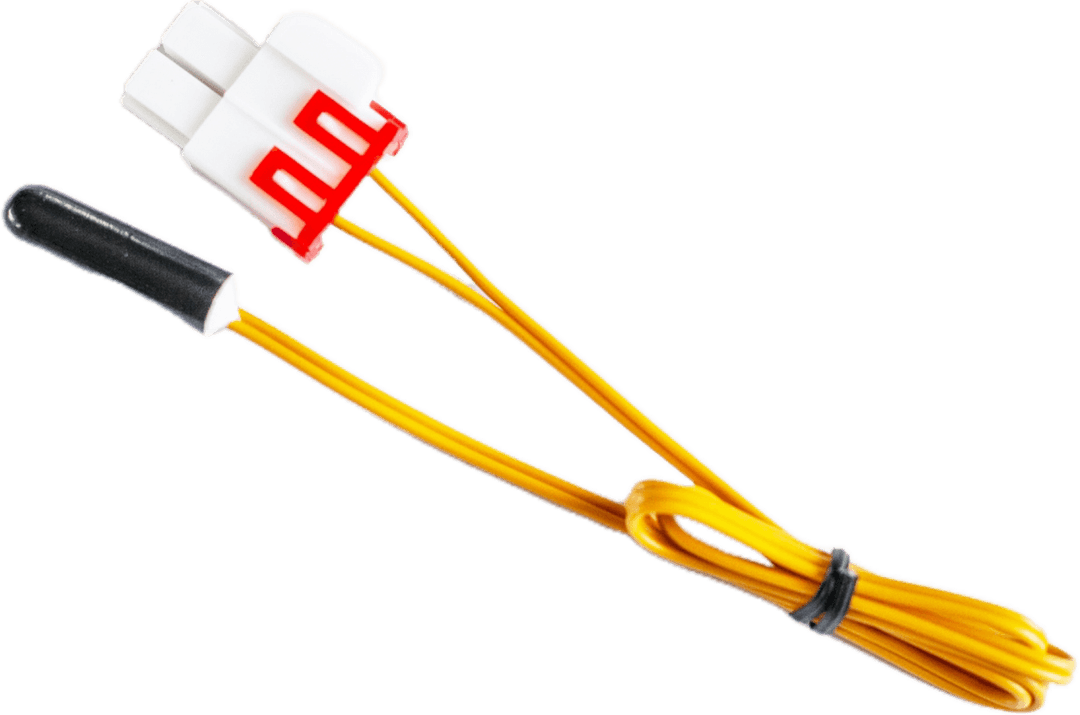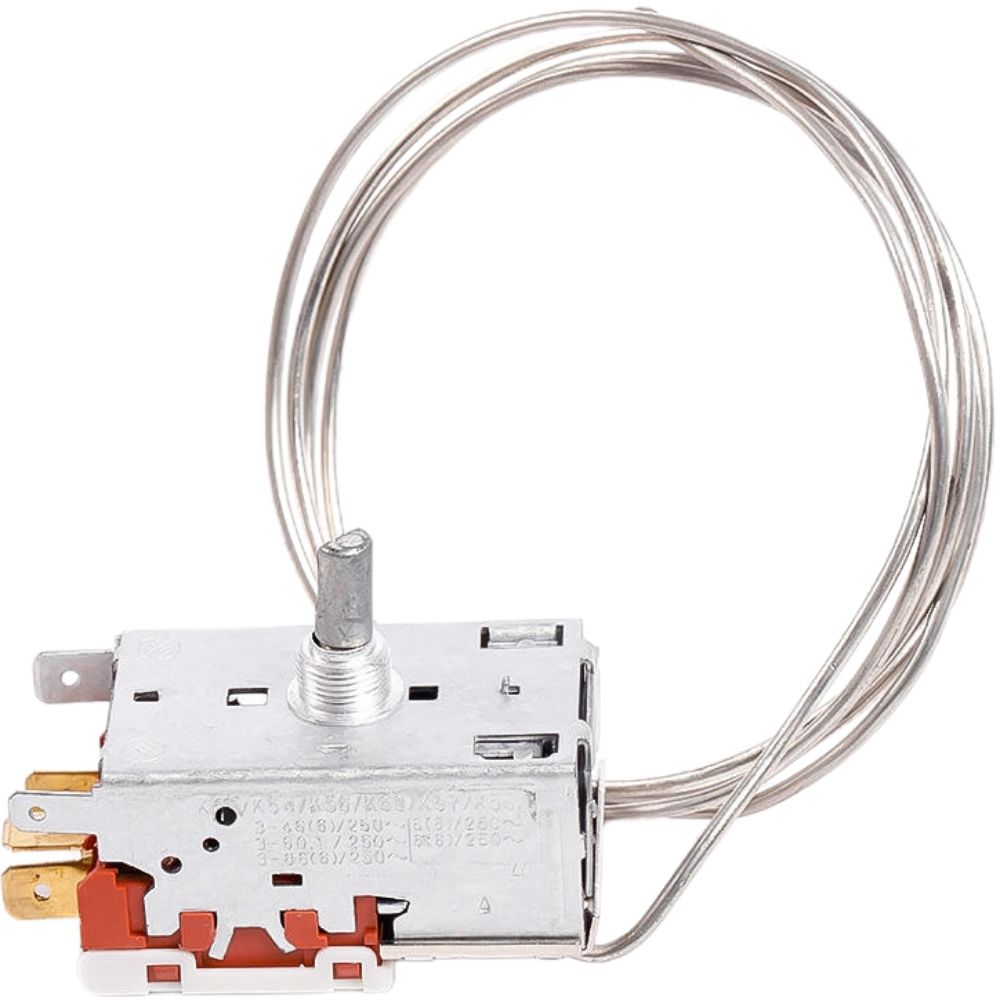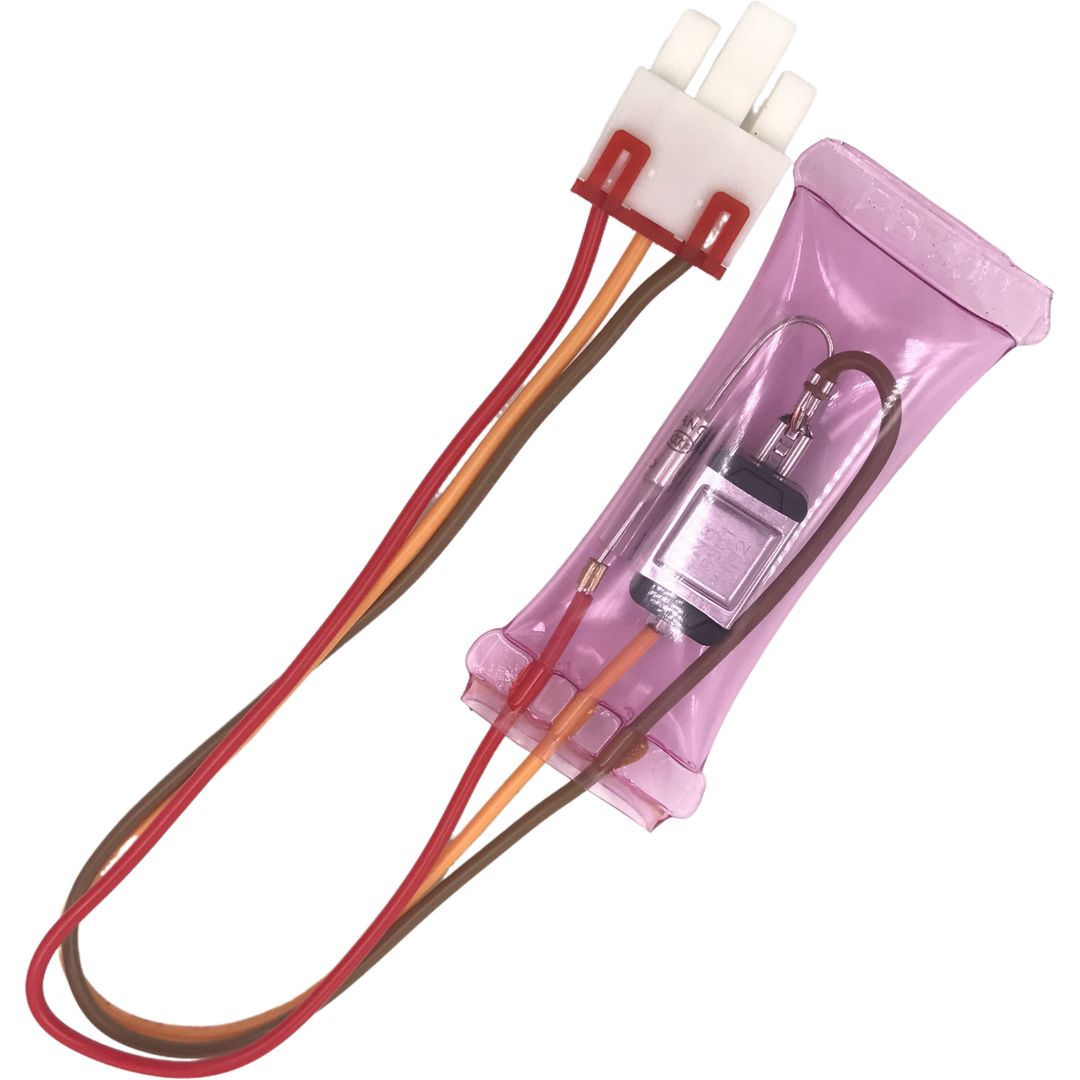


Temperature sensor product introduction
1. Product overview
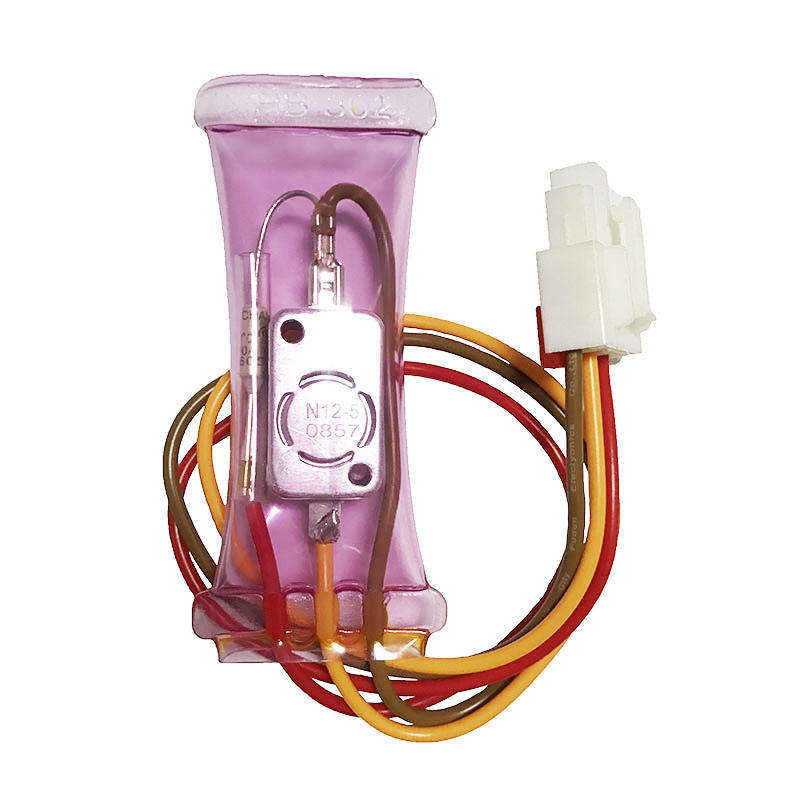
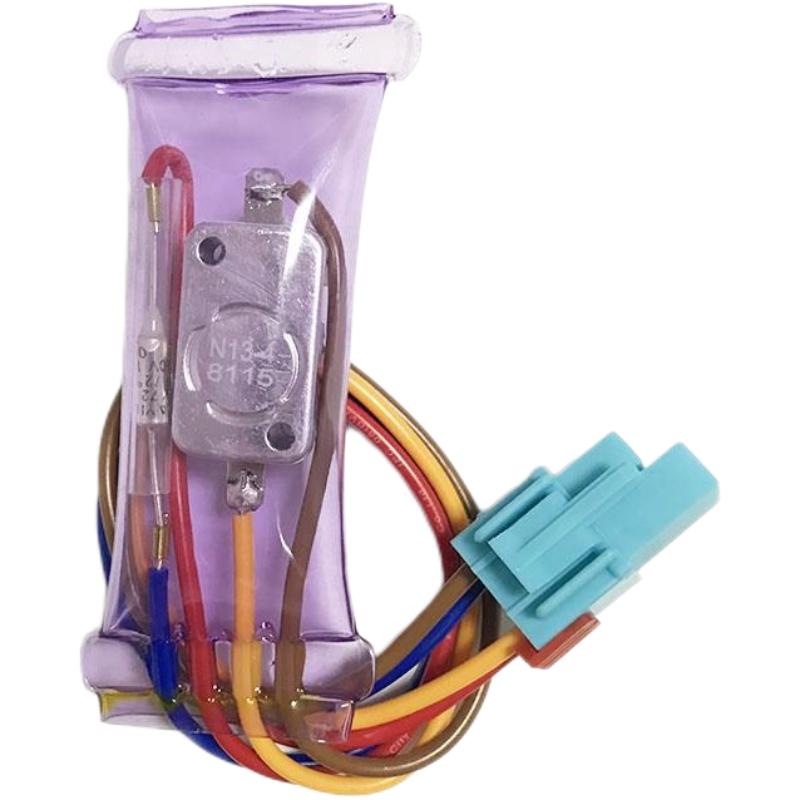
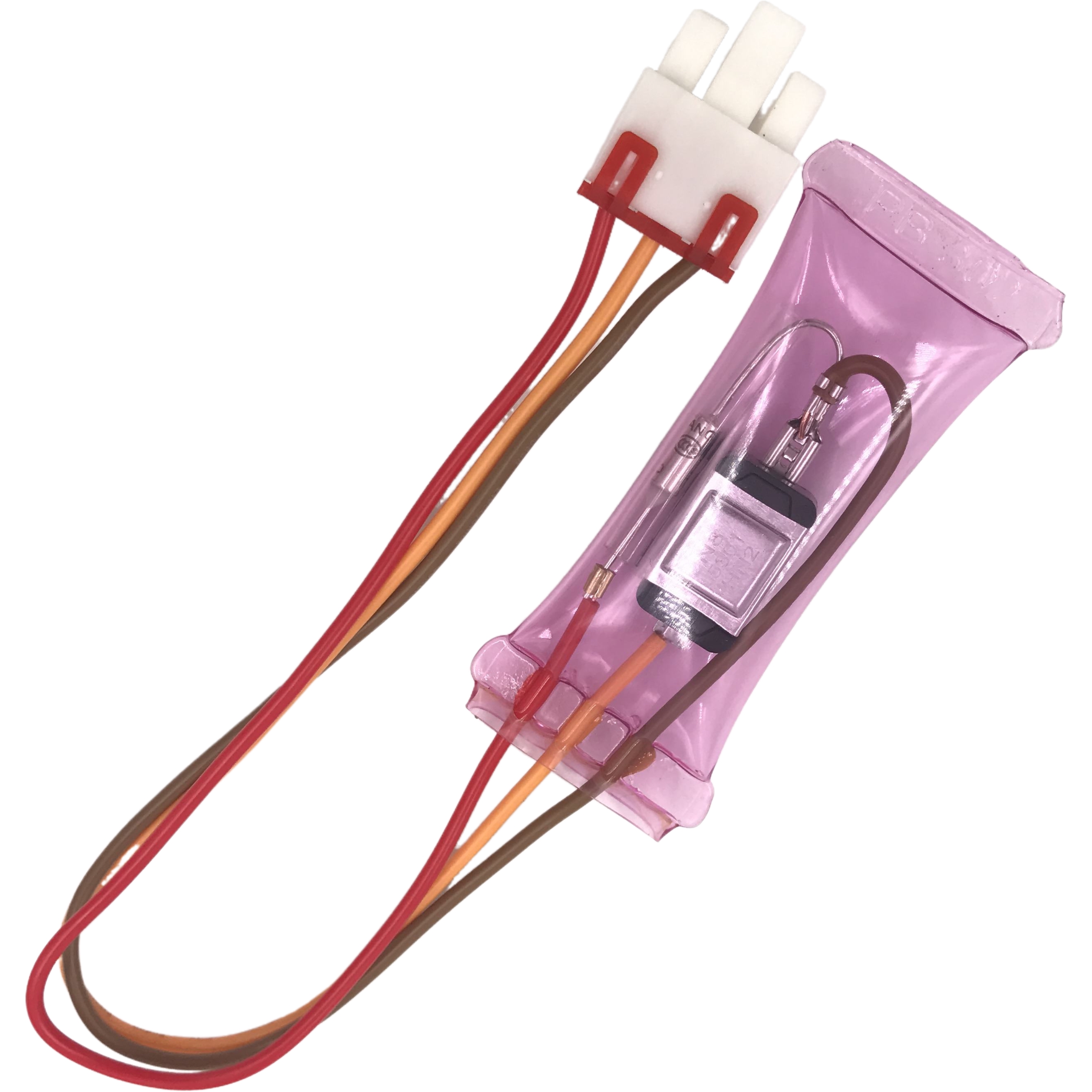
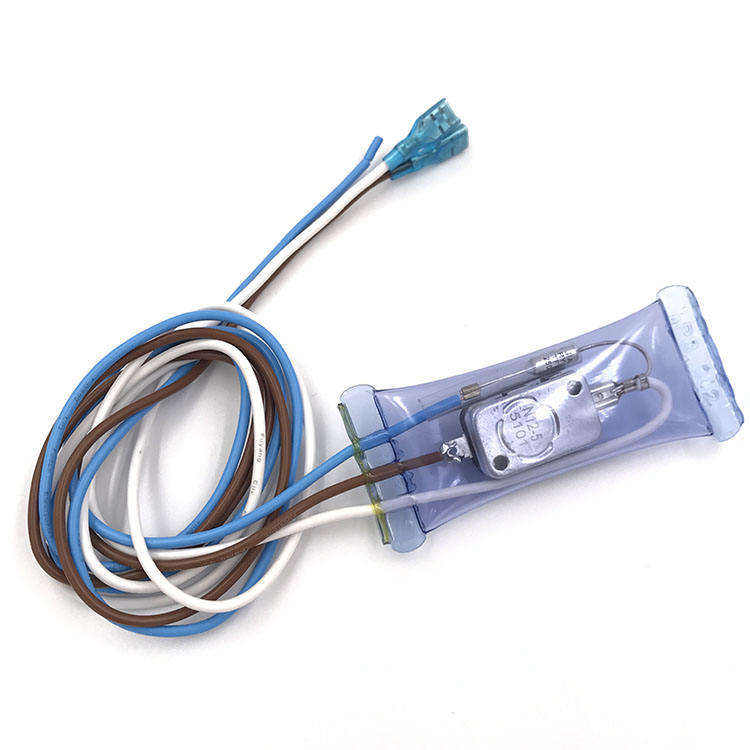
The temperature sensor is a device that measures the temperature of an object and converts it into a measurable electrical signal. It is widely used in many fields. This article will introduce this temperature sensor in detail from the aspects of product features, technical parameters, installation guide, maintenance and care.
2. Technical parameters
Measurement range: -40°C to 125°C, which can cover the temperature range of most common application scenarios and meet various different cooling, heating or environmental monitoring needs.
Working power supply: Usually DC 5V or AC 220V, adapting to different electrical systems, ensuring stable power supply and ensuring the normal operation of the sensor.
Response time: less than 1 second, quickly capture temperature changes, enable the device to adjust in time, maintain the stability of the target temperature, and improve the work efficiency and stability of the system.
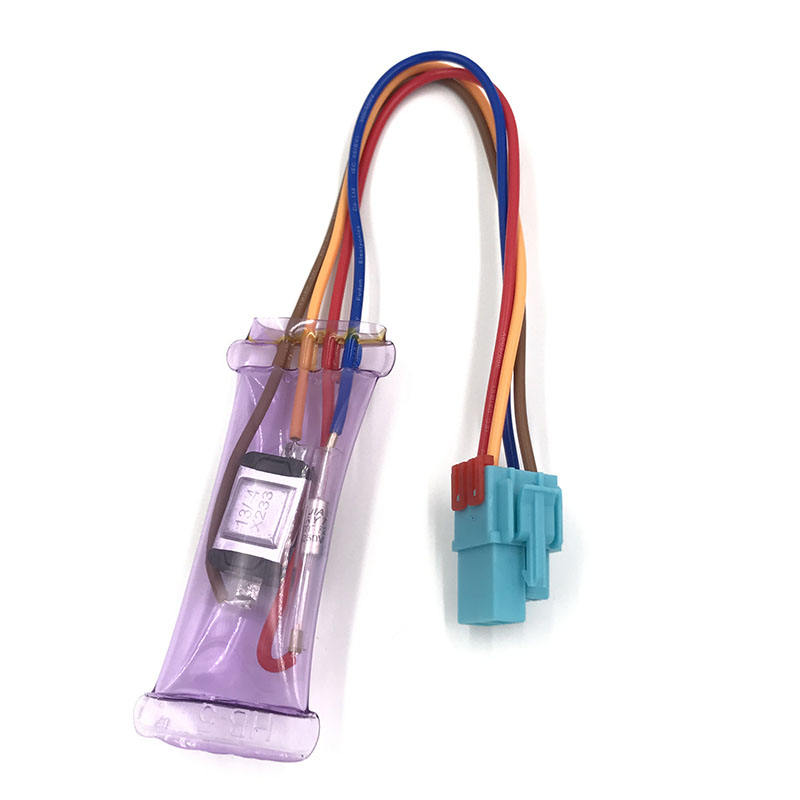
3. FAQ
(1) Will the measurement accuracy of the temperature sensor be affected by the ambient humidity?
The measurement accuracy of the temperature sensor will be affected to a certain extent by the ambient humidity. A high humidity environment may cause the performance of the sensor's sensitive elements to change, thereby affecting the measurement results. Therefore, when using the temperature sensor in a high humidity environment, it is recommended to take moisture-proof measures, such as installing a moisture-proof cover or using a dehumidification device, to reduce the impact of humidity on measurement accuracy.
(2) How to determine whether the temperature sensor is faulty?
The following methods can be used to determine whether the temperature sensor is faulty:
Observe the device response: If the temperature control of the device is abnormal, such as excessive temperature fluctuations, failure to reach the set temperature, etc., it may be caused by a fault in the temperature sensor.
Use a multimeter to measure: When the device is powered off, use the resistance or voltage range of the multimeter to measure the output signal of the sensor and compare it with the value under normal conditions. If the deviation is large, it may indicate that the sensor is faulty.
Compare with a standard thermometer: Place the temperature sensor and the standard thermometer in the same environment at the same time, and compare the readings of the two. If the difference exceeds the accuracy range of the sensor, it may indicate that the sensor is faulty.
(3) What is the general service life of a temperature sensor?
The service life of a temperature sensor is affected by many factors, such as working environment, frequency of use, maintenance, etc. Under normal working conditions, with good maintenance and care, the service life of a temperature sensor can generally reach several years. However, in harsh working environments, such as high temperature, high humidity, strong vibration, etc., the service life of the sensor may be shortened. Therefore, in order to extend the service life of the sensor, you should try to provide it with a good working environment and perform regular inspections and maintenance according to the maintenance and maintenance recommendations.