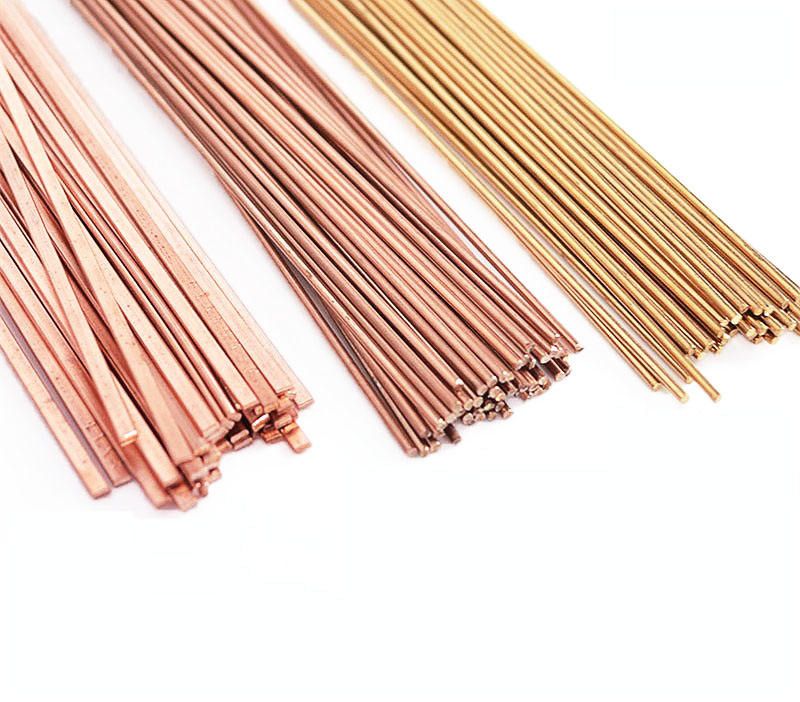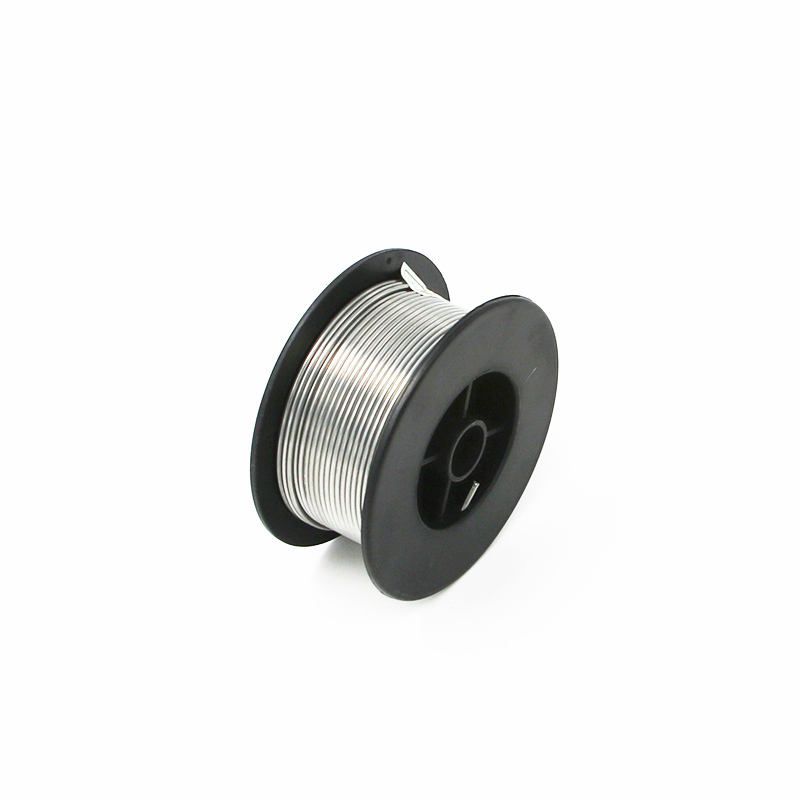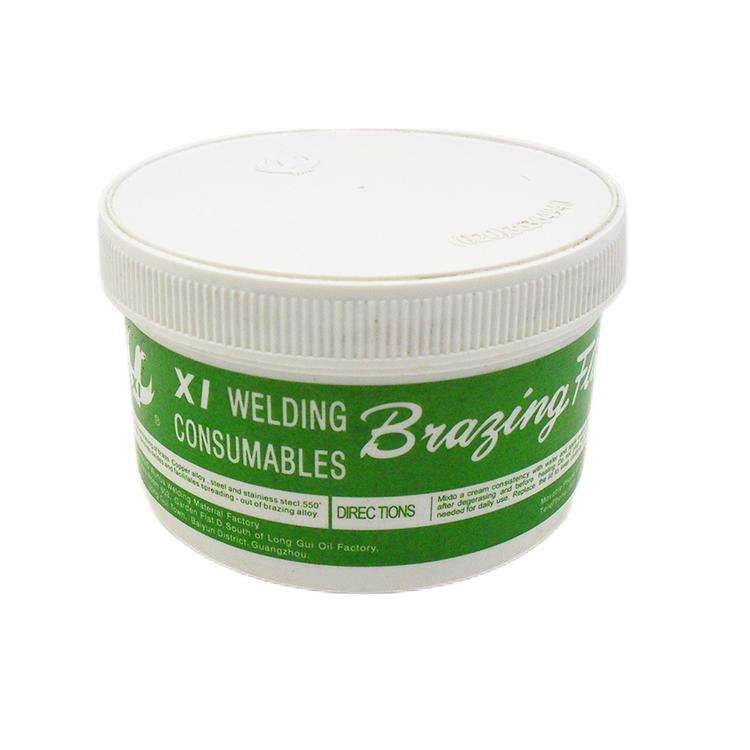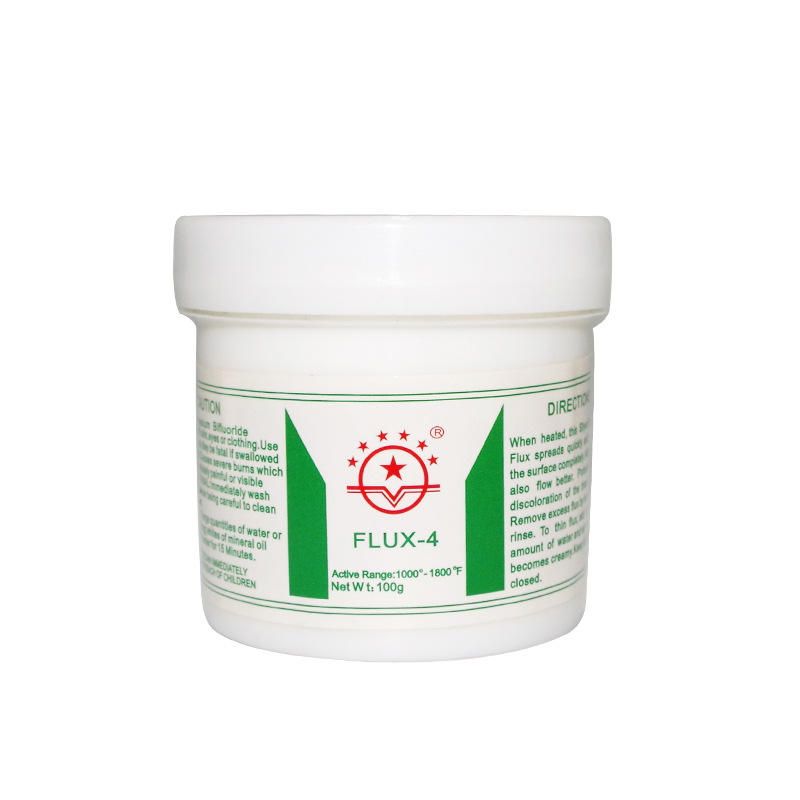


BRAZING ALLOY——Solder is a filler material used in the welding process. It can flow and fill the gap between two metal parts to be connected after being heated to the melting point. Solder will solidify after cooling to form a strong connection. Solder is widely used in electronics, electrical appliances, automobiles, aviation, construction and other industries.
1. Product Features:
Good wettability: Solder can evenly wet the metal surface after heating to form a good connection.
Appropriate melting point: The melting point of solder is usually lower than the melting point of the metal to be connected to avoid damaging the metal parts during the welding process.
Good conductivity: Solder usually has good conductivity and is suitable for applications requiring electrical connections.
Corrosion resistance: Solder usually has good corrosion resistance and can maintain the stability of the connection in harsh environments.
Multiple choices: There are many types of solder, including tin-lead solder, lead-free solder (such as tin-silver-copper solder), copper solder, aluminum solder, etc. The most suitable solder can be selected according to different application requirements.
2. Usage:
Surface treatment: Before welding, the surface of the connecting parts needs to be cleaned and treated to remove grease and oxides.
Solder selection: Select the appropriate solder according to the material and application requirements.
Heating: Heat the connecting parts to the melting point of the solder so that it melts and flows into the gap.
Cooling: Let the connecting parts cool naturally to form a strong connection.
3. Precautions:
The temperature needs to be controlled during the welding process to avoid overheating and damage to the material.
Choosing the right solder is essential to ensure the quality and performance of the connection.
The soldered parts may require post-processing, such as cleaning and inspection, to ensure the quality and reliability of the connection.
The selection and use of solder needs to be determined according to the specific application requirements and material properties to ensure the best connection effect.